
Anti PEG antibody ELISA (Mouse IgG specific) | EL-141-PEG-mIGG
Cat. No: EL-141-PEG-mIGG
$859.99 USD
| Precision | Intra-assay CV <10%. Inter-assay CV <10% |
|---|---|
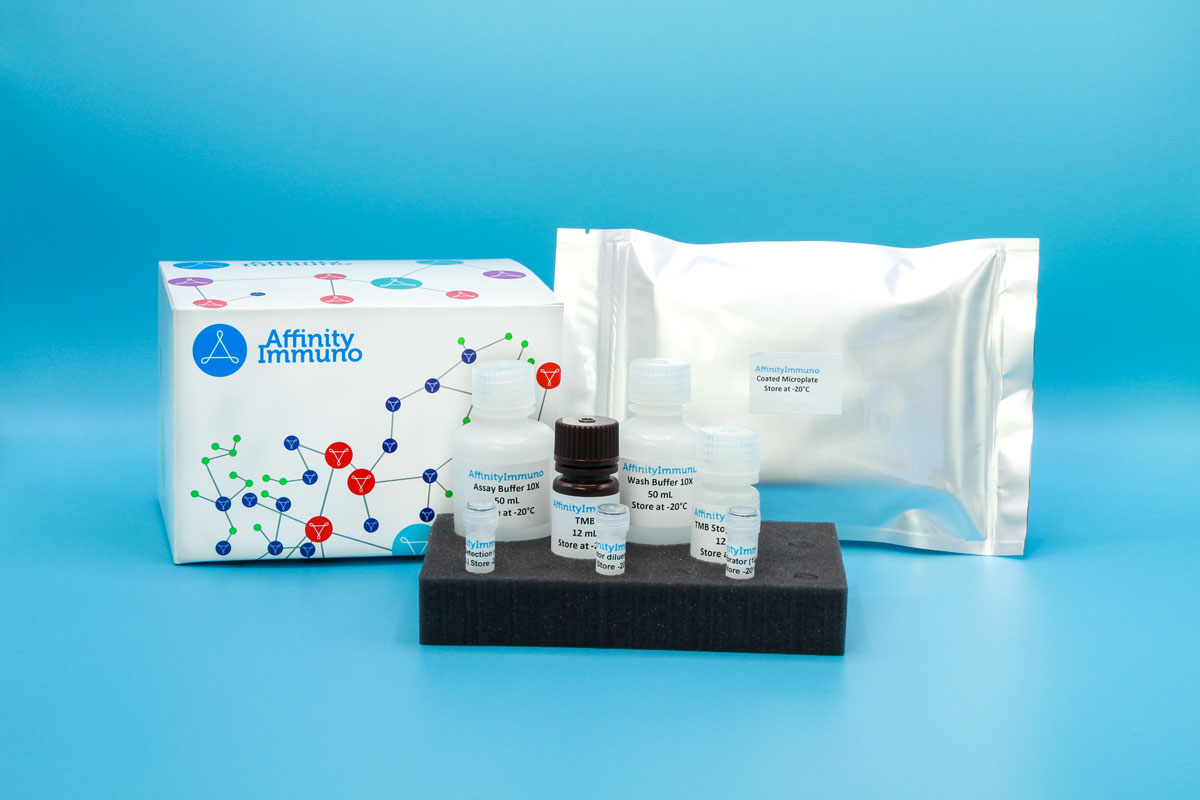
| Components | Coated microtiter plate, 96 wells QC samples - 6x250ul 10X wash buffer - 50ml Assay buffer - 50ml 1000X detection reagent - 17ul TMB - 12ml TMB stop solution - 12ml Plate sealers - 3 |
| Storage | Stable at -20°C for 1 year |
This immunogenicity assay measures the presence of mouse IgG in serum or plasma that bind to immobilized PEG using the indirect ELISA technique.
Introduction
Polyethylene glycol (PEG) chains are often used to modify therapeutic biologic agents in order to prolong the circulating half-life of the modified protein by slowing proteolytic degradation. It has been reported that repeat injections of PEGylated proteins can induce anti-PEG antibodies. Anti-PEG antibodies can result in rapid clearance and decreased drug efficacy (accelerated blood clearance, or ABC, phenomenon).
Principle of the assay
This immunogenicity assay measures the presence of mouse IgG in serum or plasma that bind to immobilized PEG using the indirect ELISA technique. The supplied 96 well microplate is pre-coated with PEG. After washing, quality control and test samples are pipetted into the appropriate wells. Anti-PEG antibodies bind the immobilized PEG. After washing, detection antibody (anti mouse IgG Peroxidase) is added. Any unbound antibody enzyme reagent is removed with a final wash and a substrate solution is added to the wells for color development. Color development is proportional to the amount of anti-PEG IgG.
Related assays
Also available in other species/isotype specificities: human IgG, human IgM, and mouse IgM.
Related reading
For context on anti-PEG antibody prevalence and clinical significance in preclinical mouse models, see our 2026 PEG immunogenicity review.