
Human TDP-43/TARDBP ELISA Kit | EL-213-2041643
Cat. No: EL-213-2041643
$859.99 USD
96 wells
| Target protein | TDP-43/TARDBP |
|---|---|
| Alternative name | TARDBP |
| Gene ID | 23435 |
| Reactivity | Human |
| Detection range | 62.5-4000 pg/mL |
| Sample type | serum, plasma, cerebrospinal fluid and other biological fluids |
| Sample volume | 100 µL |
| Assay time | 3h 20min |
| Precision | Intra-assay CV <8%. Inter-assay CV <10% |
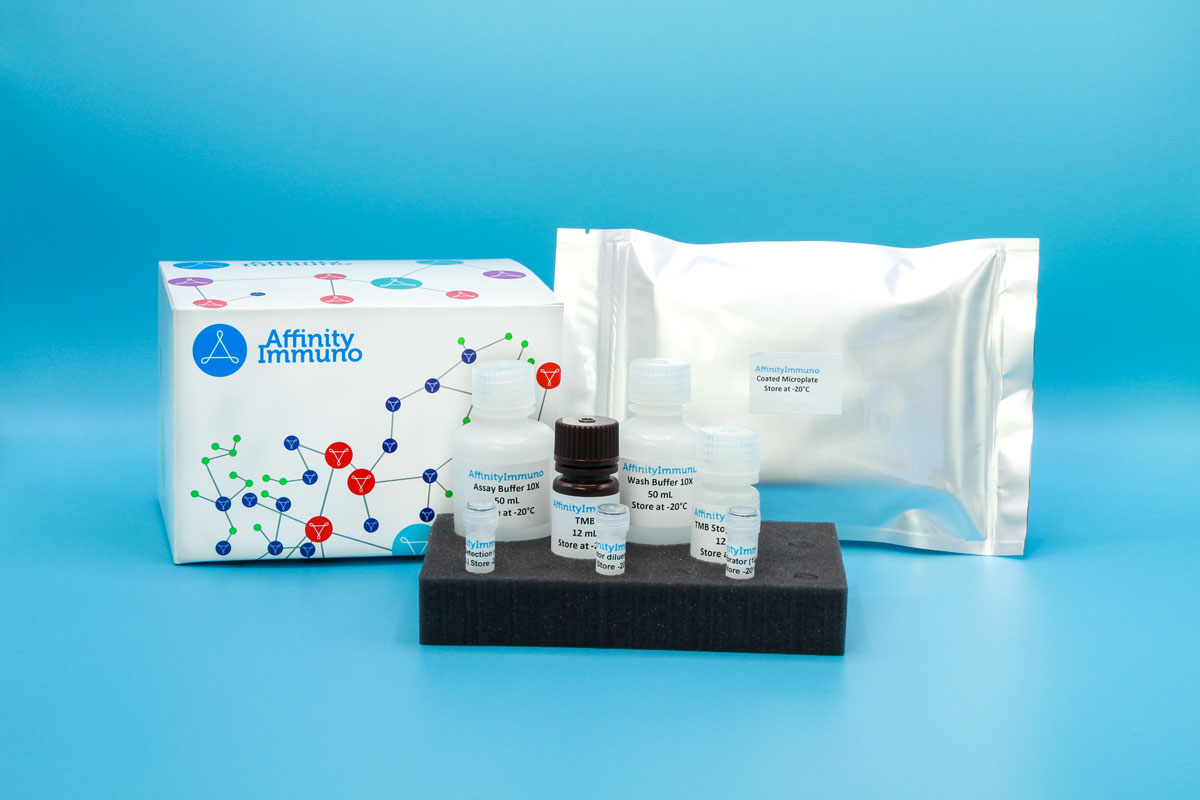
| Components | Pre-Coated Microplate - 12 strips x 8 wells (4°C/-20°C) Standard (Lyophilized) - 2 vials (4°C/-20°C) Biotinylated Antibody (100×) - 120 μL (4°C/-20°C) Streptavidin-HRP (100×) - 120 μL (4°C/-20°C) Standard/Sample Diluent Buffer - 20 mL (4°C/-20°C) Biotinylated Antibody Diluent - 12 mL (4°C/-20°C) HRP Diluent - 12 mL (4°C/-20°C) Wash Buffer (25×) - 20 mL (4°C/-20°C) TMB Substrate Solution - 10 mL (4°C/-20°C (store in dark)) Stop Reagent - 6 mL (4°C/-20°C) Plate Covers - 2 pieces (RT) |
| Storage | 4°C/-20°C |
Introduction
TDP-43, the protein product of TARDBP, is a nuclear RNA- and DNA-binding protein whose two RNA-recognition motifs preferentially engage GU-rich stretches located inside lengthy introns and near the 3’ end of messenger RNAs. Through this binding it shapes alternative splicing of numerous transcripts, influences mRNA stability and transport, and even contributes to processing of mitochondrial RNAs and to circadian rhythm regulation. Under cellular stress, TDP-43 relocalizes to cytoplasmic stress granules, a response thought to support short-term cell survival, though sustained mislocalization and aggregation of the protein outside the nucleus is a defining pathological feature of amyotrophic lateral sclerosis and frontotemporal lobar degeneration. The name TAR DNA-binding protein reflects its originally described capacity to bind a regulatory DNA/RNA element and repress transcription, a function distinct from its now better-characterized roles in RNA metabolism and neurodegenerative disease.
TDP-43 mislocalization and aggregation is a defining pathological feature of ALS and frontotemporal lobar degeneration, and recent research has developed CSF seed-amplification assays to detect TDP-43 aggregates in presymptomatic and symptomatic genetic FTD/ALS — a fast-moving biomarker research area this quantitative ELISA complements by measuring total TDP-43 levels rather than aggregate seeding activity specifically.
Principle of the Assay
This kit uses a sandwich enzyme immunoassay format in which the microtiter plate wells are pre-coated with a capture antibody specific to human TDP-43. Standards or samples are pipetted into the appropriate wells alongside a biotin-conjugated detection antibody that also recognizes human TDP-43, allowing simultaneous binding to a second epitope on the captured analyte. Avidin-conjugated horseradish peroxidase (HRP) is then added to each well, where it binds the biotin label. Following incubation, TMB substrate solution is introduced; only wells containing human TDP-43, the biotin-conjugated detection antibody, and avidin-HRP will produce a color change. The enzymatic reaction is stopped by the addition of a sulphuric acid solution, and absorbance is measured spectrophotometrically at 450 nm (± 10 nm). TDP-43 concentrations in the samples are determined by comparing sample optical density values against a standard curve.