
Human suPAR ELISA Kit | EL-213-193
Cat. No: EL-213-193
$859.99 USD
96 wells
| Target protein | suPAR |
|---|---|
| Alternative name | PLAUR |
| Gene ID | 5329 |
| Reactivity | Human |
| Detection range | 0.16-10 ng/mL |
| Sample type | Serum, plasma and other biological fluids. |
| Sample volume | 100 µL |
| Assay time | 3h 20min |
| Precision | Intra-assay CV <8%. Inter-assay CV <10% |
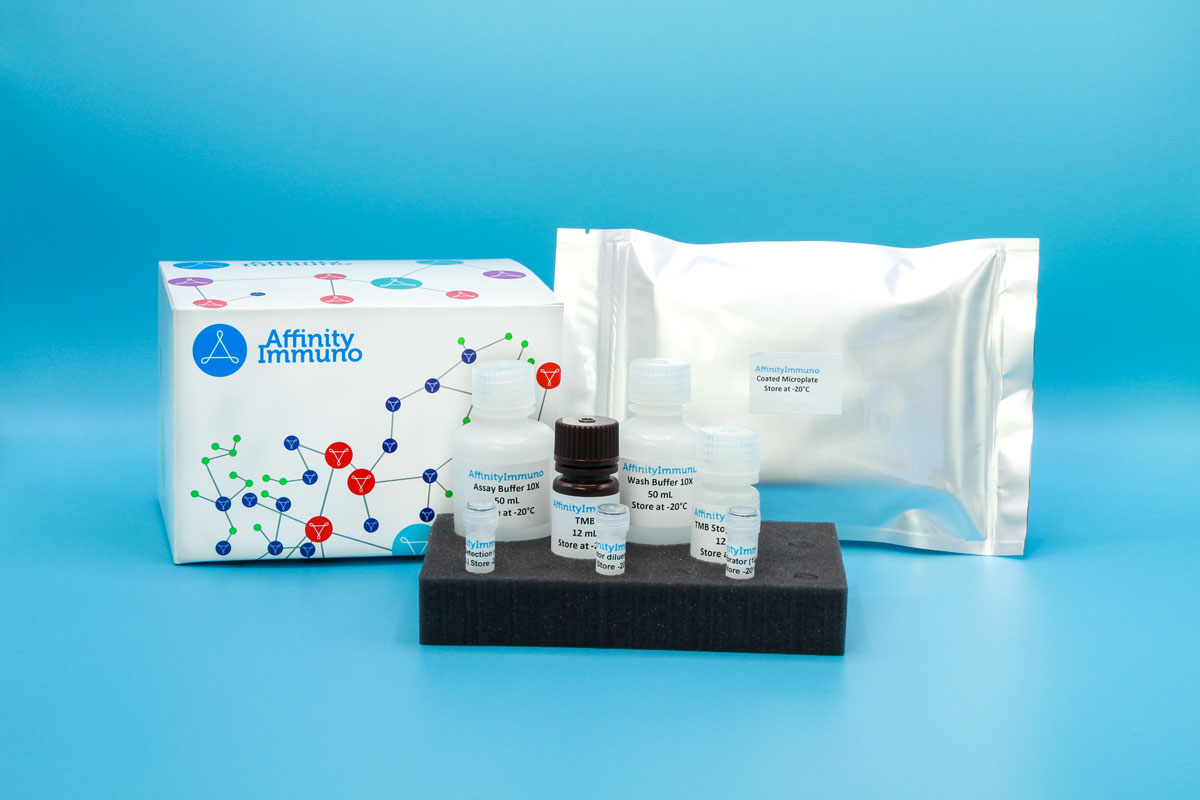
| Components | Pre-Coated Microplate - 12 strips x 8 wells (4°C/-20°C) Standard (Lyophilized) - 2 vials (4°C/-20°C) Biotinylated Antibody (100×) - 120 μL (4°C/-20°C) Streptavidin-HRP (100×) - 120 μL (4°C/-20°C) Standard/Sample Diluent Buffer - 20 mL (4°C/-20°C) Biotinylated Antibody Diluent - 12 mL (4°C/-20°C) HRP Diluent - 12 mL (4°C/-20°C) Wash Buffer (25×) - 20 mL (4°C/-20°C) TMB Substrate Solution - 10 mL (4°C/-20°C (store in dark)) Stop Reagent - 6 mL (4°C/-20°C) Plate Covers - 2 pieces (RT) |
| Storage | 4°C/-20°C |
Introduction
suPAR is the soluble, circulating form of the urokinase plasminogen activator receptor (uPAR), the cell-surface protein encoded by the PLAUR gene. Full-length uPAR is anchored to the outer membrane of immune cells, endothelial cells, and smooth muscle cells, where it binds both the inactive and active forms of urokinase-type plasminogen activator and helps localize plasmin generation and the resulting breakdown of extracellular matrix, as well as binding vitronectin. Proteolytic cleavage releases a soluble fragment, suPAR, into blood, urine, cerebrospinal fluid, and other body fluids, with the amount released rising in proportion to the degree of immune and inflammatory cell activation. Since its identification in the early 1990s, circulating suPAR has been investigated as a prognostic biomarker across a wide range of conditions, including sepsis and critical illness, chronic kidney disease, and autoimmune or infectious inflammatory disorders.
suPAR is actively studied as a prognostic marker predicting critical illness, sepsis-associated acute kidney injury, and outcomes in the intensive care unit, with recent work also exploring it as a marker of systemic chronic inflammation more broadly — giving this assay wide applicability across critical-care and nephrology research.
Principle of the Assay
This kit uses a sandwich enzyme immunoassay format. The microtiter plate wells are pre-coated with a capture antibody specific to human suPAR, which binds the target analyte present in standards or samples added to the plate. A biotin-conjugated detection antibody, also specific to human suPAR, is then introduced to form a sandwich complex at a second epitope. Avidin-conjugated horseradish peroxidase (HRP) is subsequently added to each well, binding the biotin label on the detection antibody. Upon addition of TMB substrate solution, a colorimetric signal develops exclusively in wells where human suPAR, the biotin-conjugated antibody, and avidin-HRP are all present. The enzymatic reaction is stopped by the addition of a sulphuric acid stop solution, and absorbance is measured at 450 nm (± 10 nm). Sample concentrations are determined by referencing the resulting optical density values against a standard curve.