
Human sCTLA-4 ELISA Kit | EL-213-1904
Cat. No: EL-213-1904
$859.99 USD
96 wells
| Target protein | sCTLA-4 |
|---|---|
| Alternative name | CTLA4 |
| Gene ID | 1493 |
| Reactivity | Human |
| Detection range | 15.63-1000 pg/mL |
| Sample type | serum, plasma, tissue homogenates, cell lysates and other biological fluids |
| Sample volume | 100 µL |
| Assay time | 3h 20min |
| Precision | Intra-assay CV <8%. Inter-assay CV <10% |
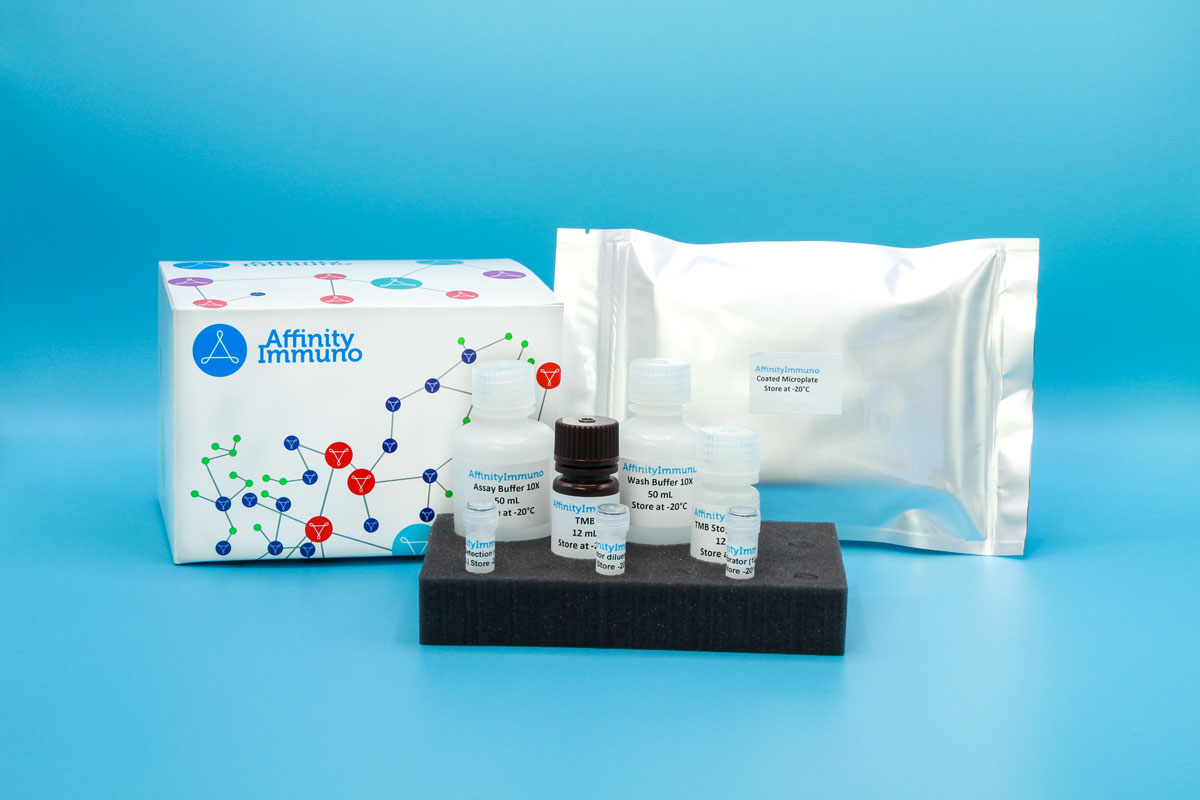
| Components | Pre-Coated Microplate - 12 strips x 8 wells (4°C/-20°C) Standard (Lyophilized) - 2 vials (4°C/-20°C) Biotinylated Antibody (100×) - 120 μL (4°C/-20°C) Streptavidin-HRP (100×) - 120 μL (4°C/-20°C) Standard/Sample Diluent Buffer - 20 mL (4°C/-20°C) Biotinylated Antibody Diluent - 12 mL (4°C/-20°C) HRP Diluent - 12 mL (4°C/-20°C) Wash Buffer (25×) - 20 mL (4°C/-20°C) TMB Substrate Solution - 10 mL (4°C/-20°C (store in dark)) Stop Reagent - 6 mL (4°C/-20°C) Plate Covers - 2 pieces (RT) |
| Storage | 4°C/-20°C |
Introduction
CTLA4 codes for an immune checkpoint receptor that puts the brakes on T-cell activation. Membrane-anchored CTLA4 outcompetes the stimulatory receptor CD28 for the same docking partners on antigen-presenting cells, CD80 and CD86, and binds them more tightly, so its presence tilts a T cell toward staying quiet rather than proliferating. Alternative splicing of the gene also produces a secreted, monomeric form, soluble CTLA-4, which circulates independently of the cell surface and is made in largest amounts by regulatory T cells; current research suggests this circulating form can raise the threshold needed for T cells to fire and can differentially favor certain classes of immune response over others. Because this checkpoint pathway is so central to keeping self-reactive immunity in check, inherited loss-of-function changes in CTLA4 cause a severe pediatric disorder of immune dysregulation, while common variants in the gene have separately been linked to a range of autoimmune conditions including type 1 diabetes and thyroid disease.
Because soluble CTLA-4 is produced predominantly by regulatory T cells and can raise the threshold needed for T-cell activation, this assay supports monitoring Treg activity in autoimmune disease research and studying on-treatment pharmacodynamics for CTLA-4-targeted immunotherapies such as ipilimumab.
Principle of the Assay
This kit uses a sandwich enzyme immunoassay format to measure human sCTLA-4. The microtiter plate wells are pre-coated with a capture antibody specific to human sCTLA-4, which binds the target analyte present in added standards or samples. A biotin-conjugated detection antibody, also specific to human sCTLA-4, is then introduced and binds a second epitope on the captured analyte. Avidin conjugated to horseradish peroxidase (HRP) is subsequently added to each well and allowed to incubate, linking enzymatic activity to the assembled complex. Upon addition of TMB substrate solution, a colorimetric signal develops exclusively in wells containing human sCTLA-4, the biotin-conjugated detection antibody, and avidin-HRP. The enzyme-substrate reaction is stopped by the addition of a sulphuric acid stop solution, and absorbance is measured spectrophotometrically at 450 nm (± 10 nm). Human sCTLA-4 concentrations in unknown samples are determined by comparing their optical density values against a standard curve.