
Human S100B ELISA Kit | EL-213-19100
Cat. No: EL-213-19100
$859.99 USD
96 wells
| Target protein | S100B |
|---|---|
| Gene ID | 6285 |
| Reactivity | Human |
| Detection range | 0.16-10 ng/mL |
| Sample type | serum, plasma, tissue homogenates, cell lysates, cell culture supernates and other biological fluids |
| Sample volume | 100 µL |
| Assay time | 3h 20min |
| Precision | Intra-assay CV <8%. Inter-assay CV <10% |
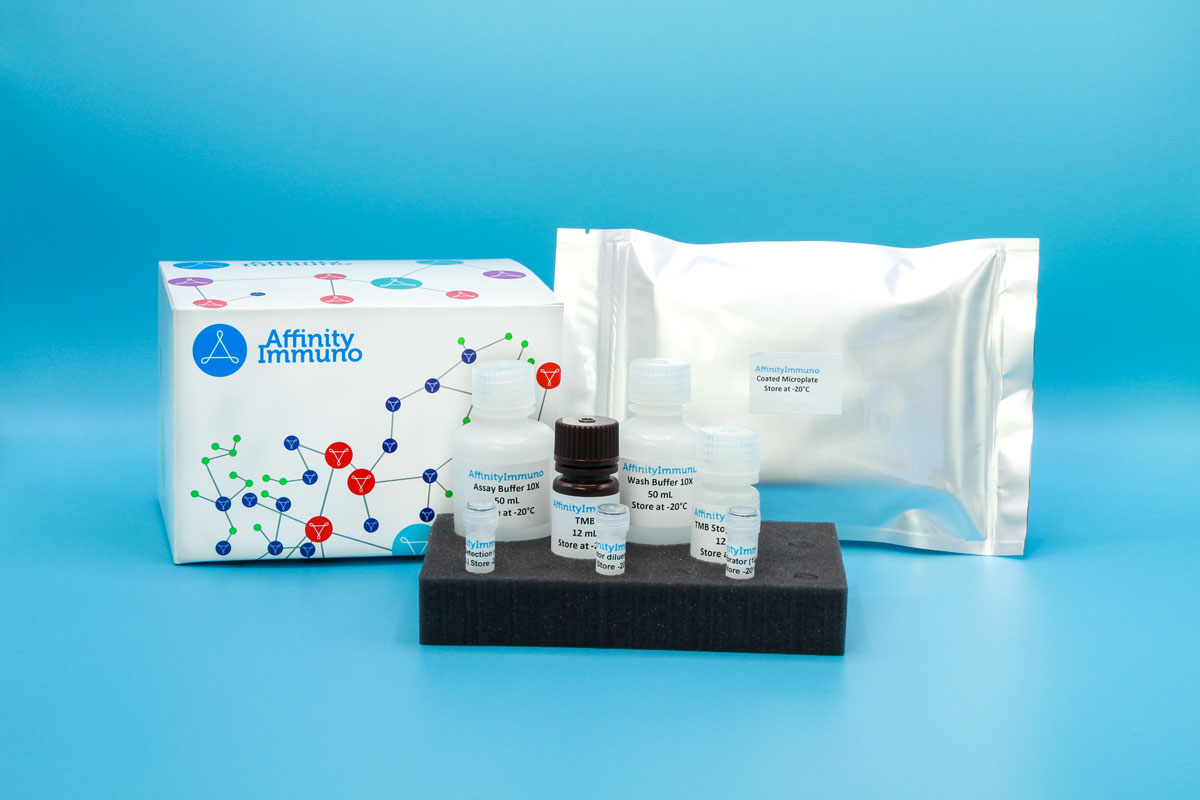
| Components | Pre-Coated Microplate - 12 strips x 8 wells (4°C/-20°C) Standard (Lyophilized) - 2 vials (4°C/-20°C) Biotinylated Antibody (100×) - 120 μL (4°C/-20°C) Streptavidin-HRP (100×) - 120 μL (4°C/-20°C) Standard/Sample Diluent Buffer - 20 mL (4°C/-20°C) Biotinylated Antibody Diluent - 12 mL (4°C/-20°C) HRP Diluent - 12 mL (4°C/-20°C) Wash Buffer (25×) - 20 mL (4°C/-20°C) TMB Substrate Solution - 10 mL (4°C/-20°C (store in dark)) Stop Reagent - 6 mL (4°C/-20°C) Plate Covers - 2 pieces (RT) |
| Storage | 4°C/-20°C |
Introduction
S100B is a small calcium- and zinc-binding protein of the S100 family, produced mainly by astrocytes and ranking among the most abundant soluble proteins in the human brain. It binds zinc with high affinity and calcium more loosely, with potassium able to interfere with this binding, and it uses these ion-sensing properties to modulate downstream targets in glial and neuronal cells. At the low concentrations normally present in brain tissue, S100B appears to support neuron survival by countering glutamate-induced toxicity and by promoting astrocyte and axonal growth, but injury to glial cells raises its concentration substantially, at which point it can instead contribute to neuroinflammation and, through interaction with the receptor for advanced glycation end products, cell stress signaling. Because circulating S100B rises in proportion to glial and neuronal damage, it is widely used as a blood biomarker for traumatic brain injury and has also been studied in neurodegenerative and other conditions such as Alzheimer disease, epilepsy, and melanoma.
S100B is already used clinically in parts of Europe to help rule out the need for CT imaging after mild head injury, giving this assay a directly translatable role in traumatic brain injury research alongside GFAP, and its additional elevation in melanoma makes it relevant to oncology biomarker studies as well.
Principle of the Assay
This kit uses a sandwich enzyme immunoassay format in which the microtiter plate wells are pre-coated with a capture antibody specific to Human S100B. Standards or samples are pipetted into the appropriate wells along with a biotin-conjugated detection antibody that also recognizes Human S100B. Avidin conjugated to horseradish peroxidase (HRP) is then added to each well and allowed to incubate. Upon addition of the TMB substrate solution, a colorimetric signal develops exclusively in wells where Human S100B, the biotin-conjugated detection antibody, and the avidin-HRP conjugate are all present. The enzymatic reaction is stopped by the addition of a sulphuric acid stop solution, and the resulting color change is measured spectrophotometrically at 450 nm (± 10 nm). Human S100B concentrations in the samples are determined by comparing sample optical density values against a standard curve.