
Human lactadherin/MFGE8 ELISA Kit | EL-213-1208
Cat. No: EL-213-1208
$859.99 USD
96 wells
| Target protein | lactadherin/MFGE8 |
|---|---|
| Alternative name | MFGE8 |
| Gene ID | 4240 |
| Reactivity | Human |
| Detection range | 31.25-2000 pg/mL |
| Sample type | serum, plasma, cell lysates and other biological fluids |
| Sample volume | 100 µL |
| Assay time | 3h 20min |
| Precision | Intra-assay CV <8%. Inter-assay CV <10% |
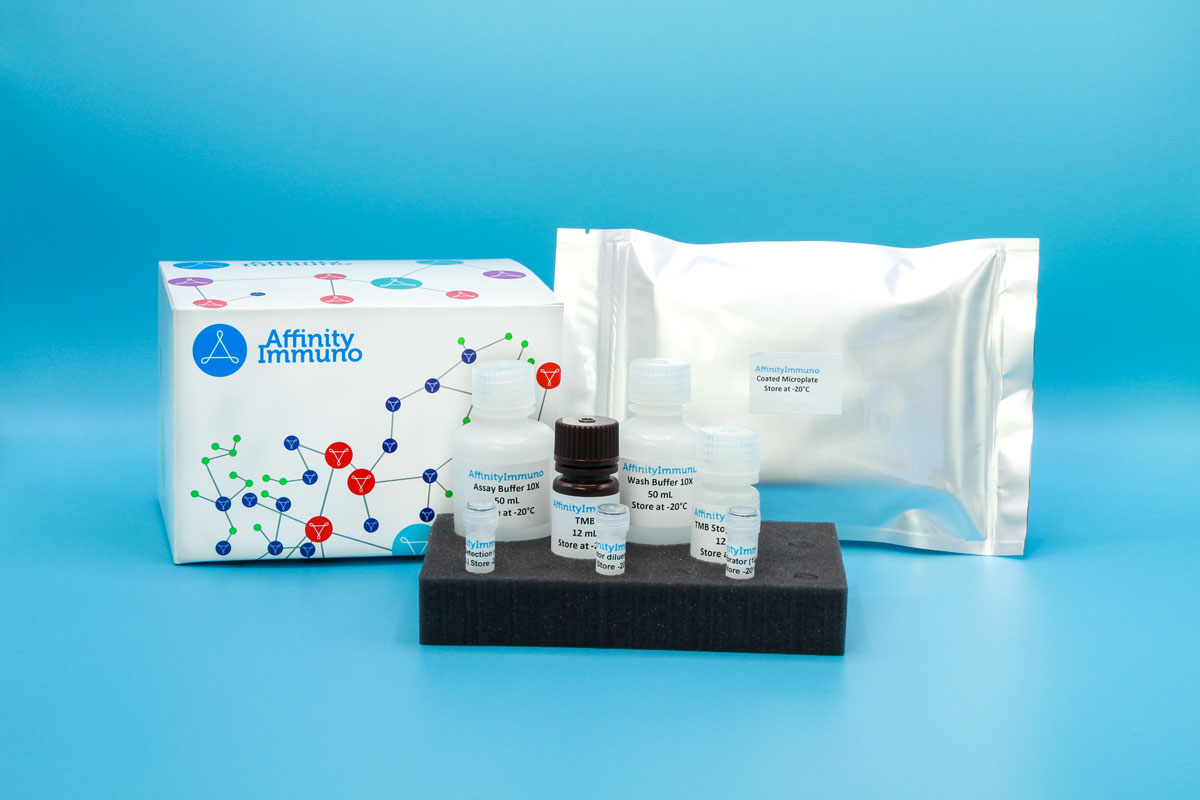
| Components | Pre-Coated Microplate - 12 strips x 8 wells (4°C/-20°C) Standard (Lyophilized) - 2 vials (4°C/-20°C) Biotinylated Antibody (100×) - 120 μL (4°C/-20°C) Streptavidin-HRP (100×) - 120 μL (4°C/-20°C) Standard/Sample Diluent Buffer - 20 mL (4°C/-20°C) Biotinylated Antibody Diluent - 12 mL (4°C/-20°C) HRP Diluent - 12 mL (4°C/-20°C) Wash Buffer (25×) - 20 mL (4°C/-20°C) TMB Substrate Solution - 10 mL (4°C/-20°C (store in dark)) Stop Reagent - 6 mL (4°C/-20°C) Plate Covers - 2 pieces (RT) |
| Storage | 4°C/-20°C |
Introduction
MFGE8, known as lactadherin, is a secreted glycoprotein that bridges the phosphatidylserine exposed on the surface of apoptotic cells to alphav/beta3 and alphav/beta5 integrins on phagocytes, thereby promoting efficient clearance of dying cells and supporting intestinal epithelial homeostasis and mucosal repair. Beyond this bridging function, lactadherin promotes VEGF-driven blood vessel formation, participates in wound healing, and has a documented role in sperm-egg binding at the zona pellucida. A proteolytic fragment of the protein, known as medin, accumulates as the principal component of the amyloid deposits commonly found in the aging aortic wall. Altered lactadherin activity has also been connected to autoimmune conditions and to tumor behavior, where it can influence epithelial-to-mesenchymal transition and the invasive spread of cancer cells.
Beyond its core role clearing apoptotic cells and supporting mucosal repair, a lactadherin fragment called medin is the principal component of amyloid deposits found in the aging aortic wall, giving this assay relevance to vascular-aging research in addition to its documented roles in tumor epithelial-to-mesenchymal transition and autoimmune disease studies.
Principle of the Assay
This kit uses a sandwich enzyme immunoassay format to measure Human MFGE8 (lactadherin) in standards and samples. The microtiter plate wells are pre-coated with a capture antibody specific to Human MFGE8, which binds the target analyte during sample incubation. A biotin-conjugated detection antibody, also specific to Human MFGE8, is then added and recognizes a second epitope on the captured protein. Avidin conjugated to horseradish peroxidase (HRP) is subsequently introduced and binds to the biotin label. Upon addition of TMB substrate solution, a colorimetric signal develops exclusively in wells where Human MFGE8, the biotin-conjugated detection antibody, and the avidin-HRP conjugate are all present. The enzymatic reaction is stopped by the addition of a sulphuric acid stop solution, and absorbance is measured at 450 nm (± 10 nm). Sample concentrations are determined by comparing the optical density of each sample well against a standard curve generated from the provided standards.