
Human CX3CL1 ELISA Kit | EL-213-32403
Cat. No: EL-213-32403
$859.99 USD
96 wells
| Target protein | CX3CL1 |
|---|---|
| Gene ID | 6376 |
| Reactivity | Human |
| Detection range | 0.16-10 ng/mL |
| Sample type | Serum, plasma, tissue homogenates, cell lysates, cell culture supernates and other biological fluids |
| Sample volume | 100 µL |
| Assay time | 3h 20min |
| Precision | Intra-assay CV <8%. Inter-assay CV <10% |
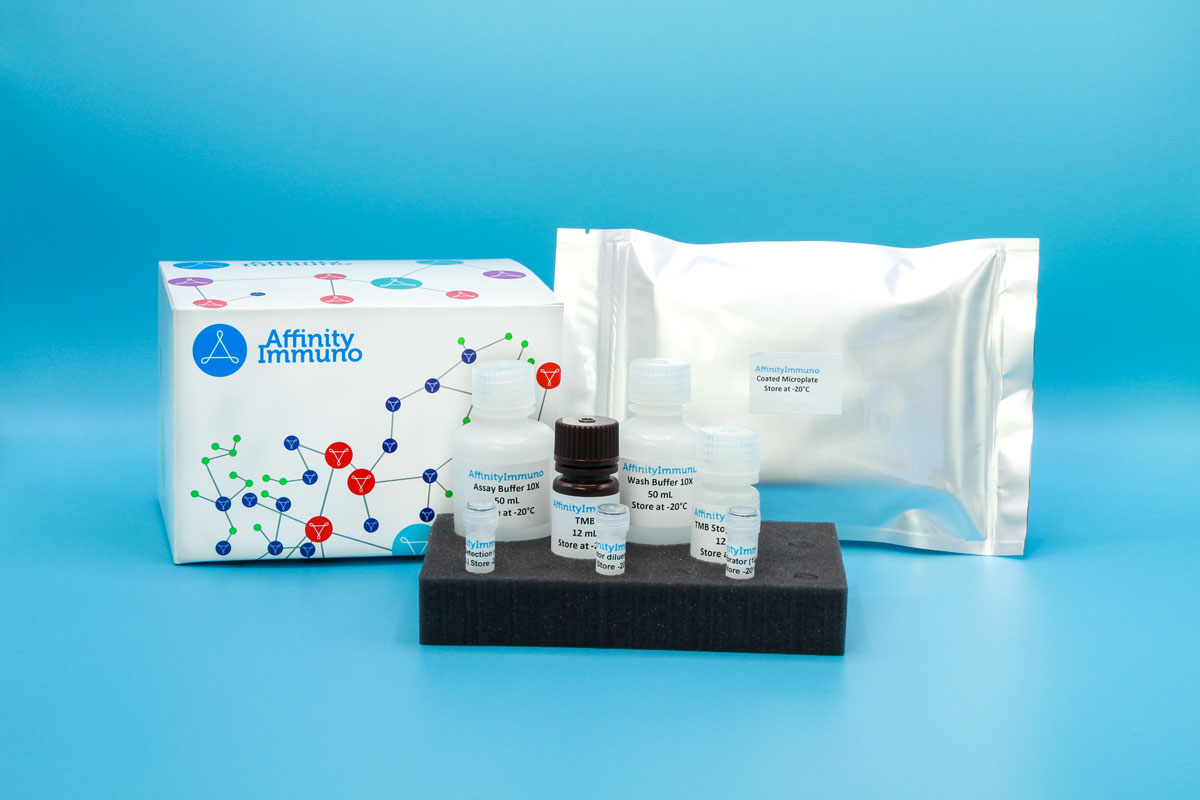
| Components | Pre-Coated Microplate - 12 strips x 8 wells (4°C/-20°C) Standard (Lyophilized) - 2 vials (4°C/-20°C) Biotinylated Antibody (100×) - 120 μL (4°C/-20°C) Streptavidin-HRP (100×) - 120 μL (4°C/-20°C) Standard/Sample Diluent Buffer - 20 mL (4°C/-20°C) Biotinylated Antibody Diluent - 12 mL (4°C/-20°C) HRP Diluent - 12 mL (4°C/-20°C) Wash Buffer (25×) - 20 mL (4°C/-20°C) TMB Substrate Solution - 10 mL (4°C/-20°C (store in dark)) Stop Reagent - 6 mL (4°C/-20°C) Plate Covers - 2 pieces (RT) |
| Storage | 4°C/-20°C |
Introduction
CX3CL1, commonly called fractalkine, is the sole human chemokine of the CX3C class and is unusual in existing both as a membrane-tethered molecule with a mucin-like stalk and, after proteolytic shedding, as a soluble mediator. Endothelial cells display the membrane-bound form following exposure to inflammatory signals such as interferon-gamma and tumor necrosis factor-alpha, allowing it to grab and firmly anchor circulating monocytes, T cells, and NK cells at the vessel wall. Once cleaved free, the soluble fragment instead acts as a classic chemoattractant, drawing monocytes and T lymphocytes toward sites of injury or inflammation through its single receptor, CX3CR1, which is concentrated on cytotoxic lymphocytes and macrophages. This chemokine-receptor pairing has been implicated in a wide array of conditions, including atherosclerosis, vasculitis, several cancers, and chronic inflammatory and neurological disorders.
Because fractalkine exists both as a vessel-wall adhesion molecule and, once shed, as a soluble monocyte/T-cell chemoattractant acting through CX3CR1, this assay supports research spanning vascular inflammation (atherosclerosis, vasculitis) and CX3CR1-driven neuroinflammatory and oncology studies.
Principle of the Assay
This kit uses a sandwich enzyme immunoassay format to detect Human CX3CL1. The microtiter plate wells are pre-coated with a CX3CL1-specific capture antibody, which binds the target protein present in standards or samples. A biotin-conjugated detection antibody, also specific to Human CX3CL1, is then added and binds a second epitope on the captured analyte. Avidin conjugated to horseradish peroxidase (HRP) is subsequently introduced and binds the biotin label. Upon addition of TMB substrate solution, a colorimetric signal develops only in wells where CX3CL1, the biotin-conjugated detection antibody, and the avidin-HRP conjugate are all present. The enzymatic reaction is stopped by the addition of sulphuric acid solution, and absorbance is measured at 450 nm (± 10 nm). CX3CL1 concentrations in unknown samples are determined by comparing their optical density values against a standard curve.