
Human B7-H3 ELISA Kit | EL-213-2072
Cat. No: EL-213-2072
$859.99 USD
96 wells
| Target protein | B7-H3 |
|---|---|
| Alternative name | CD276 |
| Gene ID | 80381 |
| Reactivity | Human |
| Detection range | 0.32-20 ng/mL |
| Sample type | serum, plasma, tissue homogenates, cell lysates and other biological fluids |
| Sample volume | 100 µL |
| Assay time | 3h 20min |
| Precision | Intra-assay CV <8%. Inter-assay CV <10% |
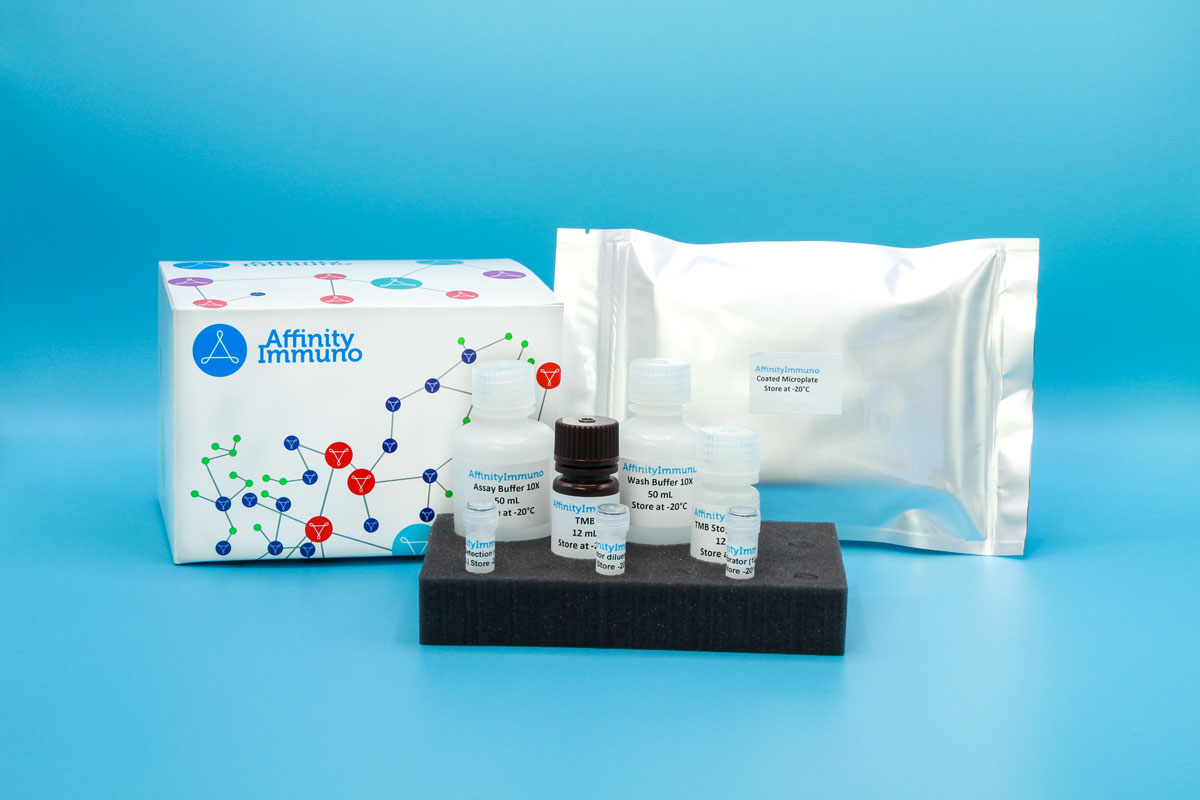
| Components | Pre-Coated Microplate - 12 strips x 8 wells (4°C/-20°C) Standard (Lyophilized) - 2 vials (4°C/-20°C) Biotinylated Antibody (100×) - 120 μL (4°C/-20°C) Streptavidin-HRP (100×) - 120 μL (4°C/-20°C) Standard/Sample Diluent Buffer - 20 mL (4°C/-20°C) Biotinylated Antibody Diluent - 12 mL (4°C/-20°C) HRP Diluent - 12 mL (4°C/-20°C) Wash Buffer (25×) - 20 mL (4°C/-20°C) TMB Substrate Solution - 10 mL (4°C/-20°C (store in dark)) Stop Reagent - 6 mL (4°C/-20°C) Plate Covers - 2 pieces (RT) |
| Storage | 4°C/-20°C |
Introduction
CD276, also known as B7-H3, is an immunoglobulin superfamily member expressed at the cell surface that helps regulate T-cell activity, acting as both a costimulatory and coinhibitory signal depending on context. Although its messenger RNA is broadly detectable across normal and malignant tissue, translation into protein is comparatively restricted, and expression appears to be held in check in healthy cells partly through targeting of its transcript by microRNA-29; this brake is frequently lost in tumors, where the protein becomes markedly overexpressed on the cell surface. In this tumor setting B7-H3 has been linked to reduced natural-killer-mediated tumor cell killing and to enhanced tumor growth, spread, and treatment resistance, in addition to roles in maintaining immune tolerance at sites such as the placenta and mucosal surfaces. Because of its selective overexpression across many solid cancers, CD276 has become a target for antibody-drug conjugates and CAR-T cell therapies now being evaluated in clinical trials.
B7-H3’s selective overexpression across a broad range of solid tumors, combined with minimal expression in most healthy tissue, has made it a lead target for antibody-drug conjugates and CAR-T constructs now in clinical development — positioning this assay as a translational biomarker tool for that pipeline.
Principle of the Assay
This kit uses a sandwich enzyme immunoassay format to detect and quantify Human B7-H3 (CD276). Microtiter plate wells are pre-coated with a capture antibody specific to Human CD276, which binds the target analyte present in standards or samples. A biotin-conjugated detection antibody specific to Human CD276 is then added, recognizing a second epitope on the captured analyte. Avidin-conjugated horseradish peroxidase (HRP) is subsequently introduced and binds to the biotin label. Upon addition of TMB substrate solution, a colorimetric signal develops exclusively in wells containing Human CD276, the biotin-conjugated detection antibody, and Avidin-HRP. The enzymatic reaction is stopped by the addition of sulphuric acid solution, and absorbance is measured at 450 nm (± 10 nm). Sample concentrations are determined by referencing the optical density readings against a standard curve.